
Build Bold With Urban Mining: Local Salvage For Smarter Remodels
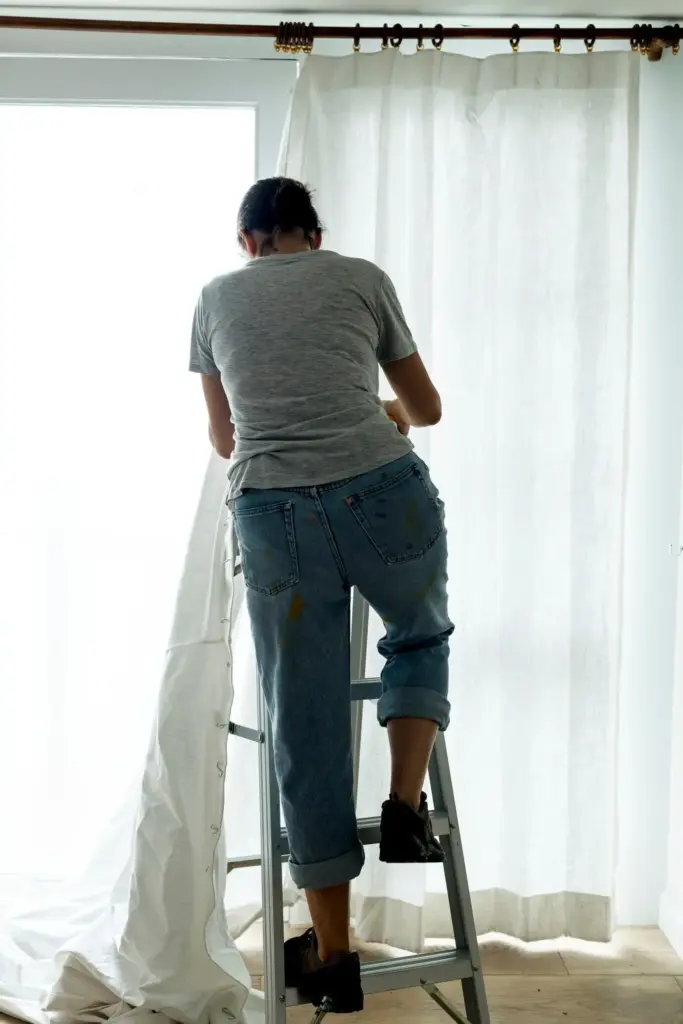
Today we dive into urban mining—sourcing salvaged building materials locally for remodels—so you can save money, reduce carbon, and add character that new products rarely deliver. We’ll map reliable sources, verify safety, design flexibly around finds, and share stories that make the process approachable, rewarding, and surprisingly fun for homeowners, designers, and builders alike.

Find Sources Where Others See Waste

Great remodels often begin with unexpected discoveries found close to home. Explore architectural salvage yards, municipal surplus auctions, Habitat ReStore aisles, deconstruction contractor warehouses, and even neighborhood curb alerts. Learn how to track demolition permits, message local builders respectfully, and show up ready with measurements, cash, and transport to secure exactly what you need.

Scout The Hidden Reuse Network

Start by bookmarking city demolition permit lists, subscribing to salvage yard newsletters, and following local reuse groups online. Visit transfer stations asking about set-aside programs, and chat with foremen at small demolition firms. Many will call you first when the right doors, brick lots, or dimensional lumber appear—if you’ve been courteous, reliable, and fast.

Relationships That Open Warehouse Doors

Introduce yourself to building inspectors, waste haulers, and contractors at community meetings. Offer coffee, bring donuts, and trade your schedule flexibility for an early look at materials. The human connection matters: a friendly reputation can turn hesitant maybes into guaranteed calls, often beating marketplace listings where items vanish minutes after posting.

Timing Your Hunt To Demolition Calendars

Demolitions move quickly, so align your search with active sites. Ask for safe access during soft-stripping phases, when trim, flooring, and fixtures come out intact. Keep an organized wishlist with dimensions and photos, plus an on-call driver or small trailer ready. The best pieces reward those prepared to move the same day.

Quality, Safety, And Code Confidence

Salvaged materials are only as good as their condition and fit with regulations. Learn to spot lead paint, asbestos-containing materials, dry rot, and hidden fasteners. Verify electrical listings, check lumber moisture content, and understand code pathways for reused products. With a practiced eye and documentation, inspectors often become enthusiastic partners.

Wood That Works As Hard As You Do

Bring a magnet and metal detector to find buried nails before planing. Look for tight grain indicating old-growth strength, and confirm moisture with a meter targeting 8–12% for interior use. Denail patiently, re-mill lightly, and consider borate treatment or kiln sterilization to manage pests while preserving character-rich patina.

Masonry, Tile, And Stone That Last

Examine bricks for chips and cracking; salvaged units often need gentler lime-based mortar to match historic assemblies and allow vapor movement. Test absorption and watch for freeze–thaw damage in colder climates. Clean with low-pressure methods, avoiding harsh acid baths that can erode surfaces and compromise future bonding strength.

Fixtures, Metals, And Safe Electrics

For light fixtures, confirm UL or equivalent listing and rewire with modern insulation and grounds. Check for galvanic corrosion where dissimilar metals meet, and test valves on salvaged plumbing. Remember that lead solder or old brass may require appropriate handling and, in potable lines, compliant replacements to meet health standards.

Dimensional Flexibility Beats Material Shortages

Plan cabinets or wall paneling with reveal strips that accommodate boards of slightly different widths. Use scribe panels, wider trim, and adjustable toe-kicks to absorb variability. When a salvaged door is two inches taller than standard, raise the head and make it a feature instead of fighting for perfect conformity.

Blend Patina With Clean Lines

Set reclaimed elements against calm, modern planes to balance texture and clarity. A sanded, oiled fir floor beside minimalist casework looks intentional, not old. Seal surfaces with matte finishes that protect without plastic shine, and spotlight tool marks, kiln stamps, or maker’s signatures as conversation-starting design moments.

Ethics, Jobs, And Traceable Histories

Urban mining shines when it supports people as well as projects. Deconstruction creates significantly more jobs per ton than mechanical demolition, diverts up to 90% of materials, and preserves community history. Pay fair prices, credit sources, and document provenance so craftspeople and neighborhoods share in the value created.

Budgets, Carbon, And Approvals Without Drama

Reused materials can slash embodied carbon and stretch budgets, but time and processing matter. Estimate savings alongside denailing, planing, transport, and contingencies. Use WARM or EC3 to quantify climate benefits, and bring inspectors into the conversation early with photos, datasheets, and clear installation plans.

Make It Ready: Cleaning, Processing, And Storage

Preparation preserves value. Proper denailing, washing, and milling transform rough salvage into dependable, beautiful components. Organize storage with sticker-stacked lumber, labeled bins for hardware, and climate-aware protection. A small investment in setup pays back with faster installs, fewer surprises, and safer, calmer job sites.

Tools That Save Materials And Time

Equip a simple processing station with a metal detector, cat’s paw, nail punch, HEPA vacuum, planer, and oscillating multi-tool. Keep blades sharp and patience sharper. Gentle, deliberate steps reduce waste, protect patina, and turn labor into the satisfying ritual that reveals the wood’s best features.

Lead-Safe Cleaning Without Regrets

Use chemical strippers with proper ventilation or infrared plates to lift paint while minimizing dust. Bag debris, seal work zones, and clean with HEPA filtration. Test suspect coatings and document results. Finishes should protect and showcase age without sealing in hazards or compromising future maintenance and repair.

Storage That Respects Materials

Stack boards on level stickers with airflow, label species and lengths, and keep pallets off damp floors. Wrap sensitive items in breathable covers, not plastic traps. Photograph inventory, track quantities, and maintain a simple spreadsheet so design and procurement decisions remain clear, fast, and confidently coordinated.

Real Projects, Real Lessons

Stories teach what specs can’t. From a craftsman bungalow refreshed with schoolhouse lights to a warehouse loft wrapped in reclaimed brick, each project shows practical decisions, surprises, and wins. Borrow what works, avoid the pitfalls, and adapt ideas to your neighborhood’s supply, codes, and character.

Join In, Share Leads, And Keep It Circulating

Urban mining thrives when neighbors trade knowledge as freely as they trade materials. Start a local directory, host swaps, and post respectful requests with exact dimensions. Subscribe, comment with your best sources, and tell us what you’re hunting; together, we’ll match needs to history-rich resources faster.

Host A Material Swap That Sparks Friendships

Pick a weekend, set clear categories, require photos and measurements, and invite makers, DIYers, and pros. Add a tool-sharpening bench and a safety demo. People leave with parts and partners, and leftovers can head to the reuse center or a school shop program.

Build A Living Local Directory

Create a shared map listing salvage yards, deconstruction crews, municipal auctions, and repair specialists. Add hours, tipping etiquette, and parking notes. Ask readers to submit updates and reviews. When information flows, people spend less time guessing and more time saving materials from the landfill with intention.


Favurepuvukixi
Privacy Overview

This website uses cookies so that we can provide you with the best user experience possible. Cookie information is stored in your browser and performs functions such as recognising you when you return to our website and helping our team to understand which sections of the website you find most interesting and useful.